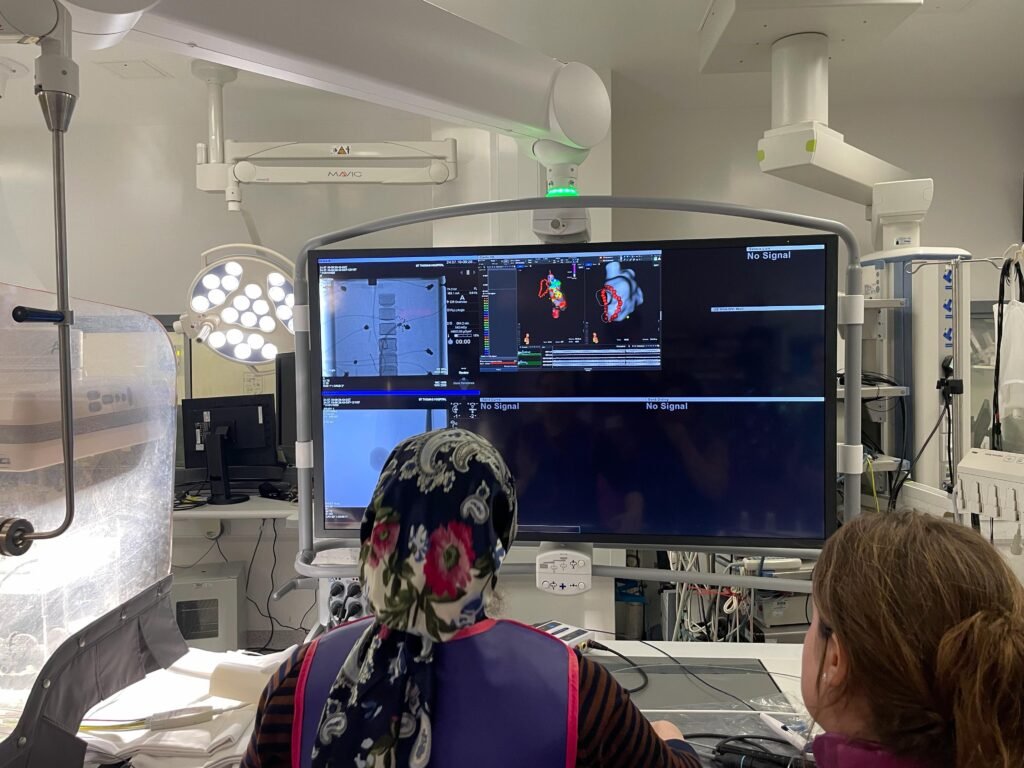
Born from everyday training and device challenges

Peach Simulators started as a collaboration between clinicians and engineers who struggled to find simulators that were realistic enough to be useful, yet robust and practical enough to be used in real courses and device projects.

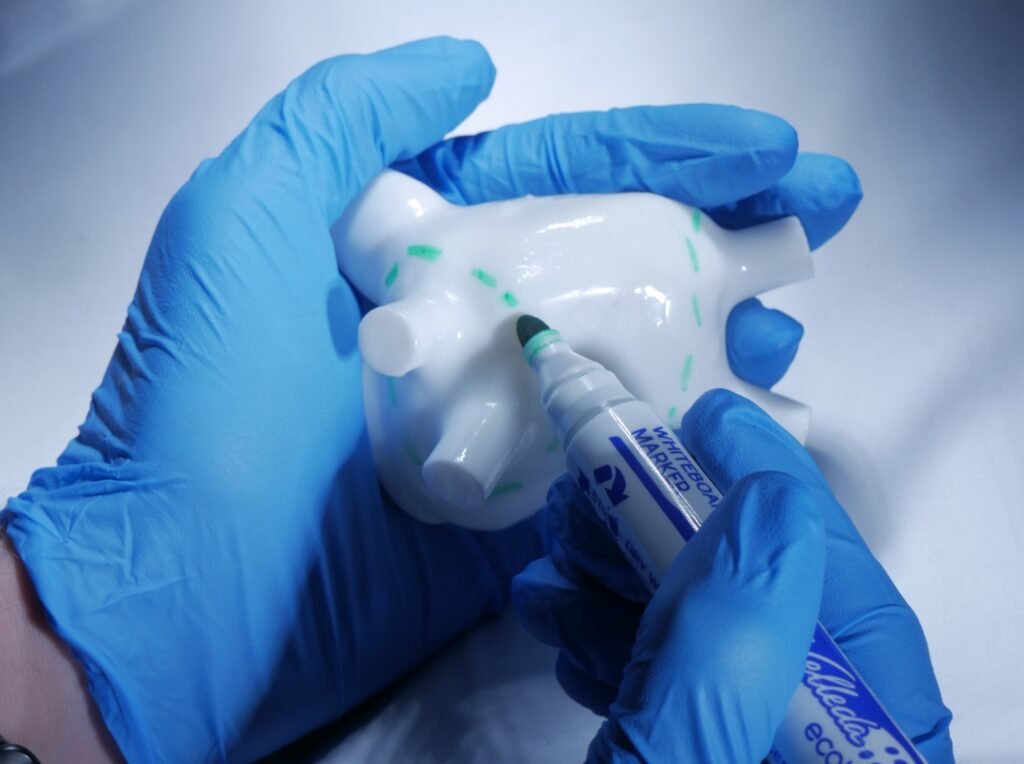
The result is a growing library of models built around real scenarios – from ENT and urology to cardiovascular procedures – with a focus on usability for both training centres and MedTech teams.

Our approach

We believe effective clinical training should feel realistic, accessible, and accountable to real-world outcomes.

That’s why Peach Simulators co-designs training models with clinicians and educators from the start. Every simulator is shaped around real workflows, built with materials that balance lifelike feel and durability, and refined through iterative prototyping with training faculty.

Whether supporting skills development, procedure rehearsal, or structured clinical education, we create simulation tools that feel relevant in the hands of learners and reliable in the environments where training happens.

Current practice vs Peach Simulators

Category Current Practice Peach Simulator
Cost Training and device testing rely on cadavers, animal labs, and complex logistics, driving high per case and program costs. Reusable synthetic models and compact kits reduce per use expense and remove large facility overheads.
Ethics and safety Many learning and validation activities expose patients or depend on animal use, raising ethical and safety concerns. High fidelity synthetic tissue eliminates animal and cadaver use and enables safe, repeatable practice away from patients.
Scalability and access Training capacity is limited by facility availability, scheduling, and geographic barriers, so scaling programs is slow and uneven. Portable, modular systems support on site, partner center, and hybrid delivery, making routine training and testing feasible across locations.
Repeatability and data quality Variable tissue quality and ad hoc setups produce inconsistent results and weak reproducibility for both training and device evaluation. Engineered models deliver consistent tactile response and controlled scenarios, improving reproducibility and learning curve measurement.
Regulatory and validation readiness Preclinical testing on animals or ad hoc human exposure yields inconsistent, hard to document evidence for regulatory submissions. Controlled, documented platforms produce repeatable test conditions and traceable data to support usability studies and regulatory validation.
Time to iterate Long lead times for booking labs, sourcing specimens, or running animal studies slow device development and training cycles. Rapid setup and repeatable scenarios accelerate prototyping, usability testing, and iterative training.

Mission

To make high-fidelity simulation and device testing accessible, practical and scalable – so that clinicians can train safely and devices can be evaluated rigorously before they reach patients.

We are part of King’s College London’s Faculty of Life Sciences and Medicine, Department of Surgical & Interventional Engineering, working with clinicians across Guy’s and St Thomas’ and King’s College Hospital.

Meet the Team

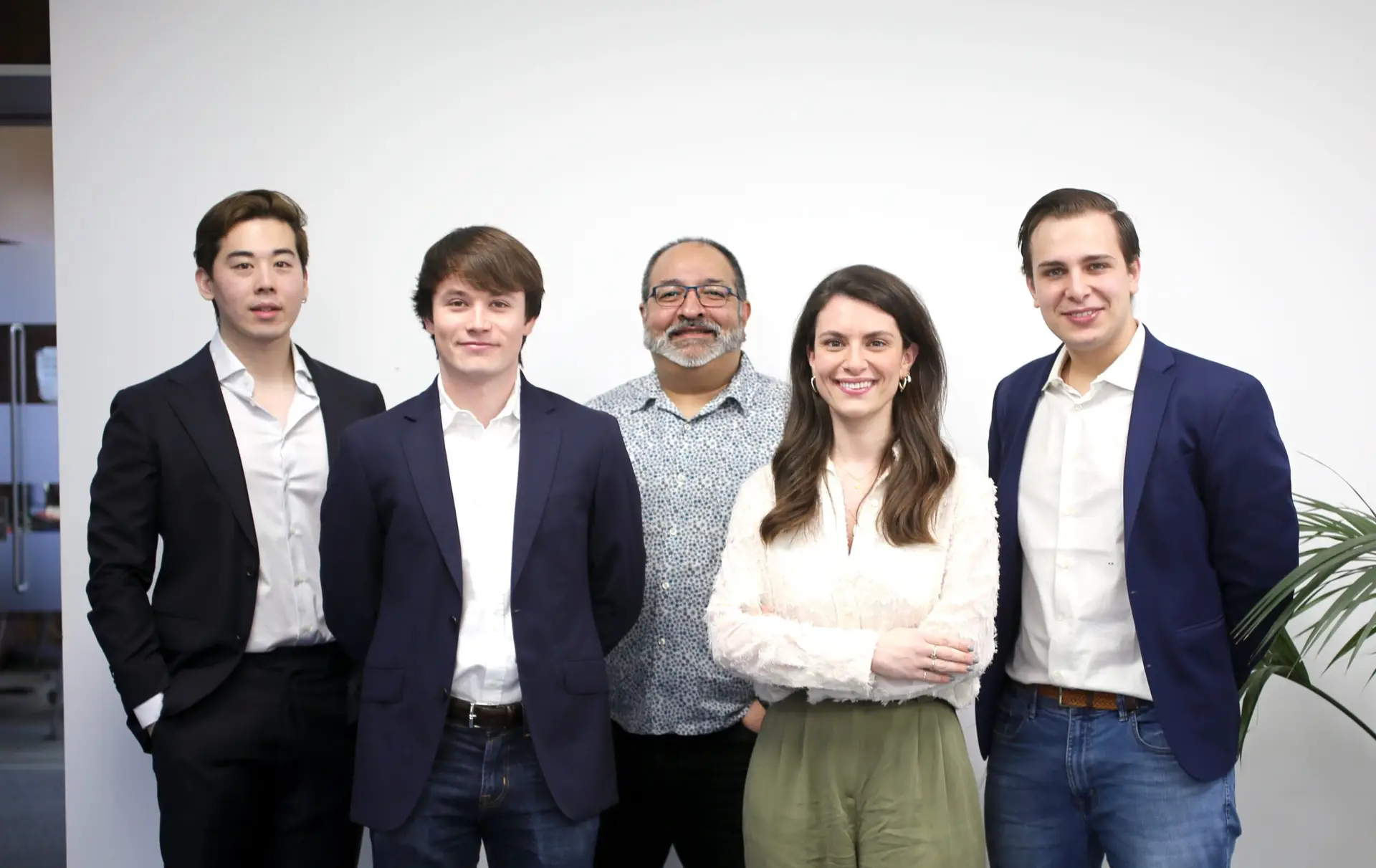
We are a multidisciplinary team of clinicians, engineers, and educators building the next generation of surgical simulation.

Carlo Saija

PhD student, Biomedical Engineering

Specializes in cardiovascular simulation and industrial clinical trials.

Steven Morris

PhD student, Biomedical Engineering
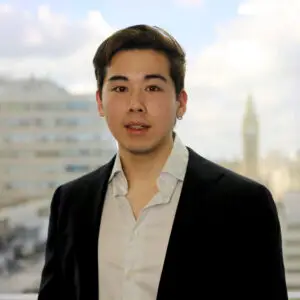
Specializes in ENT and injection simulation for clinician training.

Zixi Wang

PhD student, Biomedical Engineering

Specializes in urology simulation and industrial simulation training.

Dr Antonia Pontiki

Lecturer, Biomedical Engineering Education

Focuses on simulation-based education with a background in thoracic simulation and implantations.

Prof Kawal Rhode

Professor, Biomedical Engineering

Head of Education for the School of Biomedical Engineering & Imaging Sciences, with extensive experience in simulation, medical imaging, robotics, and medical education.

Timeline

Who We Serve

Supporting Clinical Training, Device Development, and Skills Practice Across Healthcare

From academic hospitals to medical device manufacturers and individual clinicians, Peach Simulators creates realistic, ethical, and practical simulation models that support hands-on training, repeatable practice, and safer innovation. Our solutions are designed around real clinical workflows, helping teams improve confidence, consistency, and performance without relying on patients, animals, or cadavers.

Academic Hospitals

Training the Next Generation of Clinicians

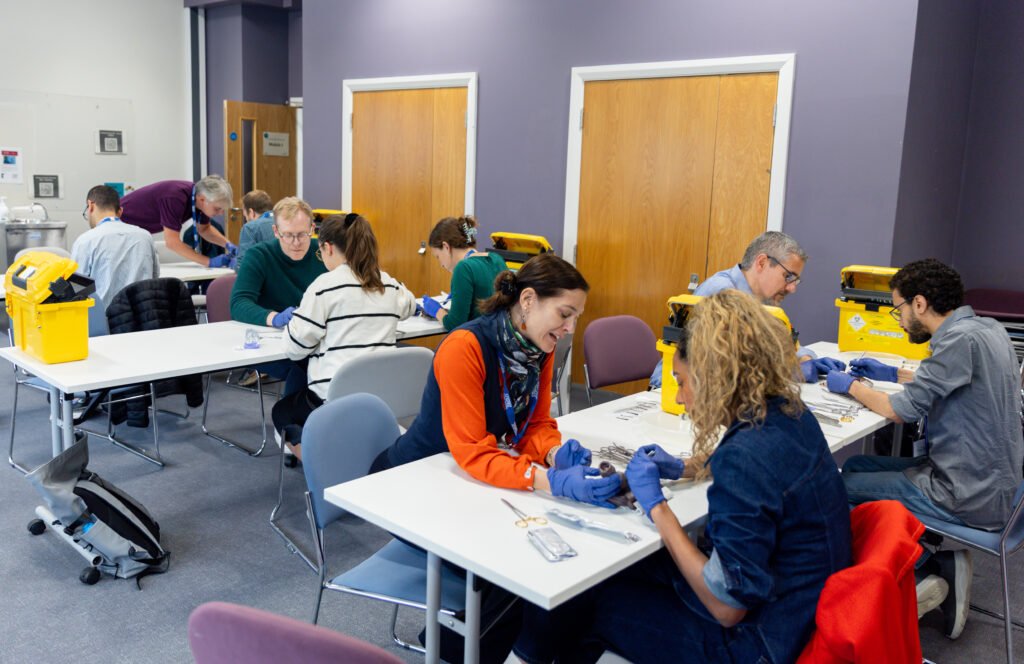
Peach Simulators supports hospitals, universities, and training centres with scalable simulation models designed for repeated practice, curriculum integration, and realistic skills development. Our models help learners build confidence in a safe environment, without the logistical, ethical, or biohazard challenges of traditional training methods.

Tech Developers

Accelerating Innovation and Product Adoption

Peach Simulators helps medical device companies demonstrate, test, and refine products using realistic synthetic models that replicate clinical scenarios. By reducing the need for cadaver labs or complex facilities, we make device training, usability testing, and product demonstrations faster, safer, and more consistent.

Clinicians and Surgeons

Practise With Confidence. Improve With Purpose.

Peach Simulators gives clinicians access to high-fidelity, repeatable training tools that support skills development, procedure rehearsal, and confidence building. Whether used independently, within workshops, or as part of structured training programmes, our models help clinicians practise safely, refine technique, and keep patient outcomes at the centre.

Want to collaborate or visit the lab?

We welcome clinician feedback, MedTech partners, and educators who want to explore training or device evaluation with Peach Simulators.

Scroll to Top