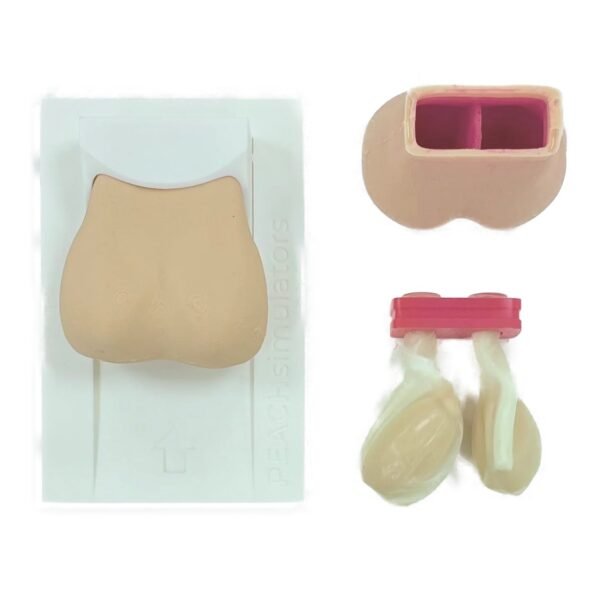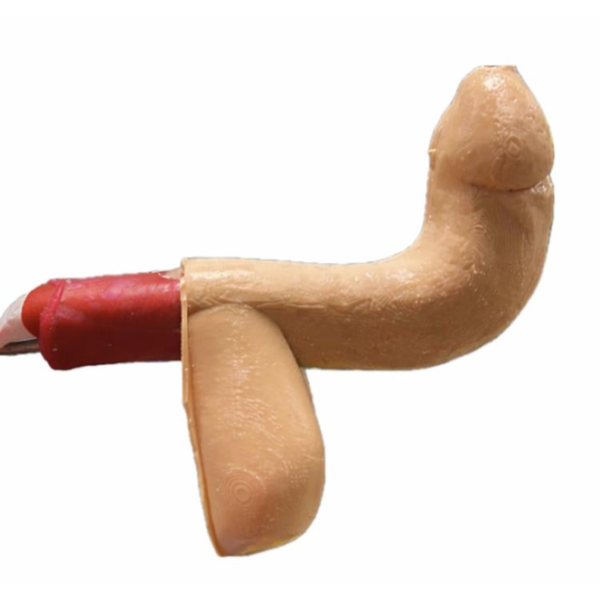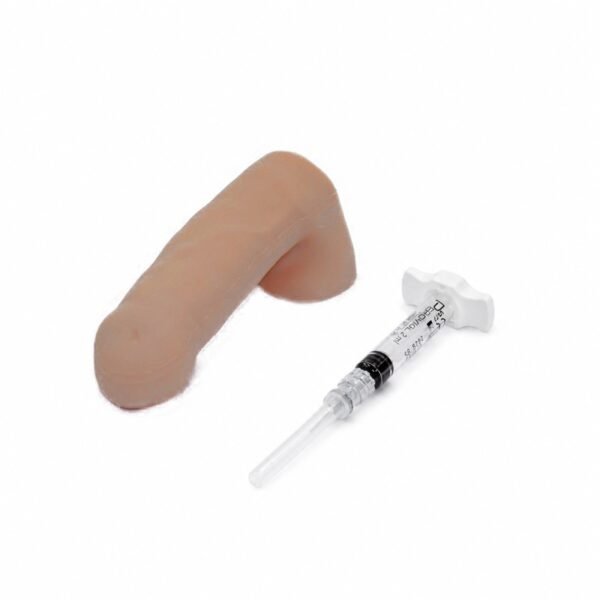
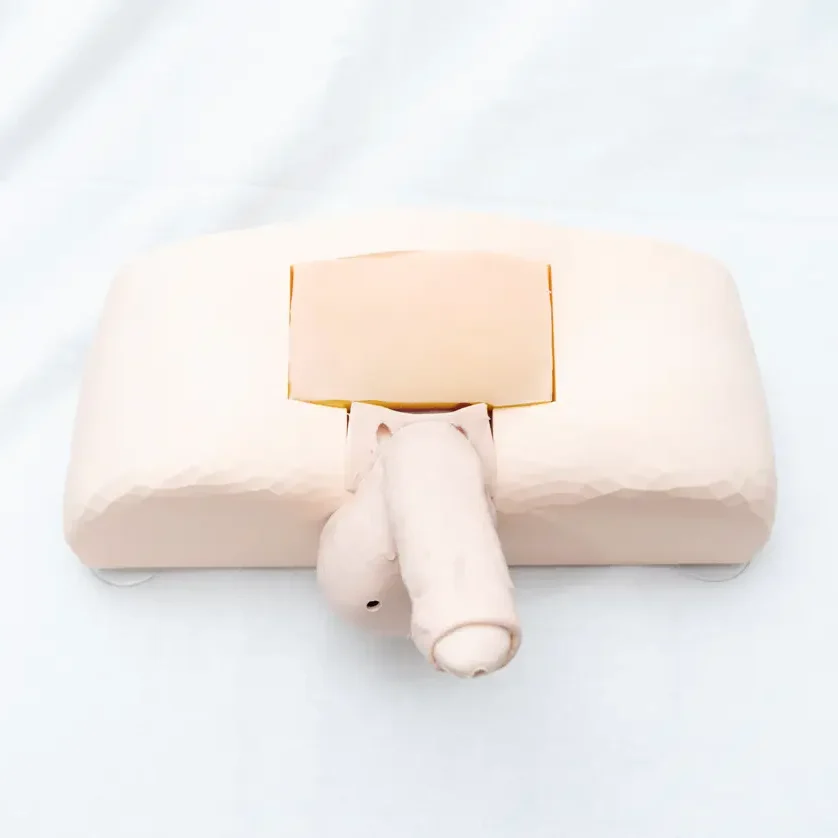
Inflatable penile prosthesis implantation is a technically demanding procedure with limited opportunities for structured hands-on training. This validated full-procedure simulator integrates penile, scrotal, abdominal, pelvic and retropubic anatomy, enabling rehearsal of the operative workflow from corporotomy and corporal dilatation through cylinder, pump and blind reservoir placement.
| WHAT CAN BE PRACTISED
• Corporotomy and corporal exposure • Corporal dilatation, measurement and error inspection • Cylinder insertion and corporotomy closure • Scrotal pump and blind reservoir placement |
TRAINING SETTINGS
• Prosthetic urology workshops and courses • Simulation centres and skills laboratories • Supervised small-group teaching • Trainee skills development and refreshers |
EDUCATIONAL VALUE
• Rehearse the complete operative workflow before live patient exposure • Develop 3D anatomical orientation for reservoir placement • Standardised, repeatable full-procedure training • Cadaveric assessment showed higher performance after simulator training |
| TECHNICAL SPECIFICATIONS
Procedure: Full inflatable penile prosthesis implantation System: Reusable torso-pelvic module with replaceable penile module Anatomy: 24 integrated penile, scrotal, abdominal, pelvic, inguinal and retropubic structures Reservoir training: Blind placement with pubic tubercle, inguinal canal and bladder landmarks Construction: Tissue-mimicking elastomers with 3D-printed structural elements |
INTENDED TRAINING APPLICATION
• Complete IPP implantation rehearsal • Corporal preparation, measurement and cylinder placement • Pump and blind reservoir placement • Recognition of corporal perforation and crossover • Instructor-led prosthetic urology training |
VALIDATION HIGHLIGHTS
|
4.75 vs 3.48 OVERALL PPAT PERFORMANCE Mean scores on the 5-point competency scale. |
4.47 vs 3.67
OVERALL CONFIDENCE Mean self-reported confidence after cadaveric IPP surgery. |
26.5 vs 32.0 min PROCEDURAL TIME Mean corporotomy-to-closure time. |
Preliminary fresh-frozen cadaveric assessment: simulator-trained vs untrained participants (final assessed n=4).
Manuals and Technical Sheets:
Technical Sheet – Click here to download the Technical Sheet