PRODUCT DESCRIPTION
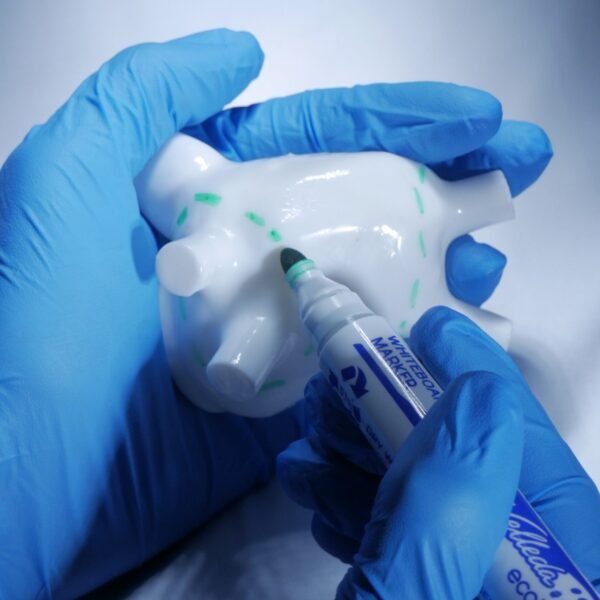
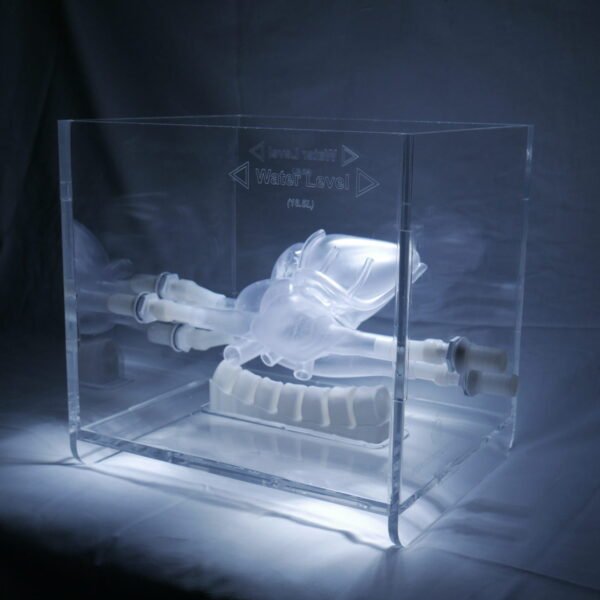
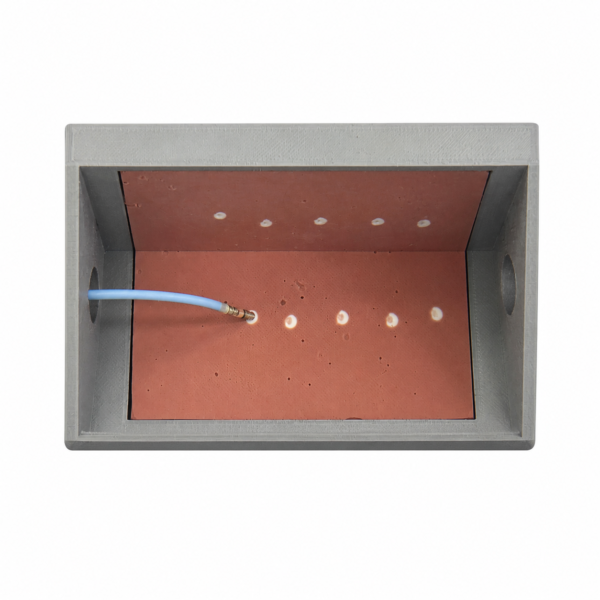
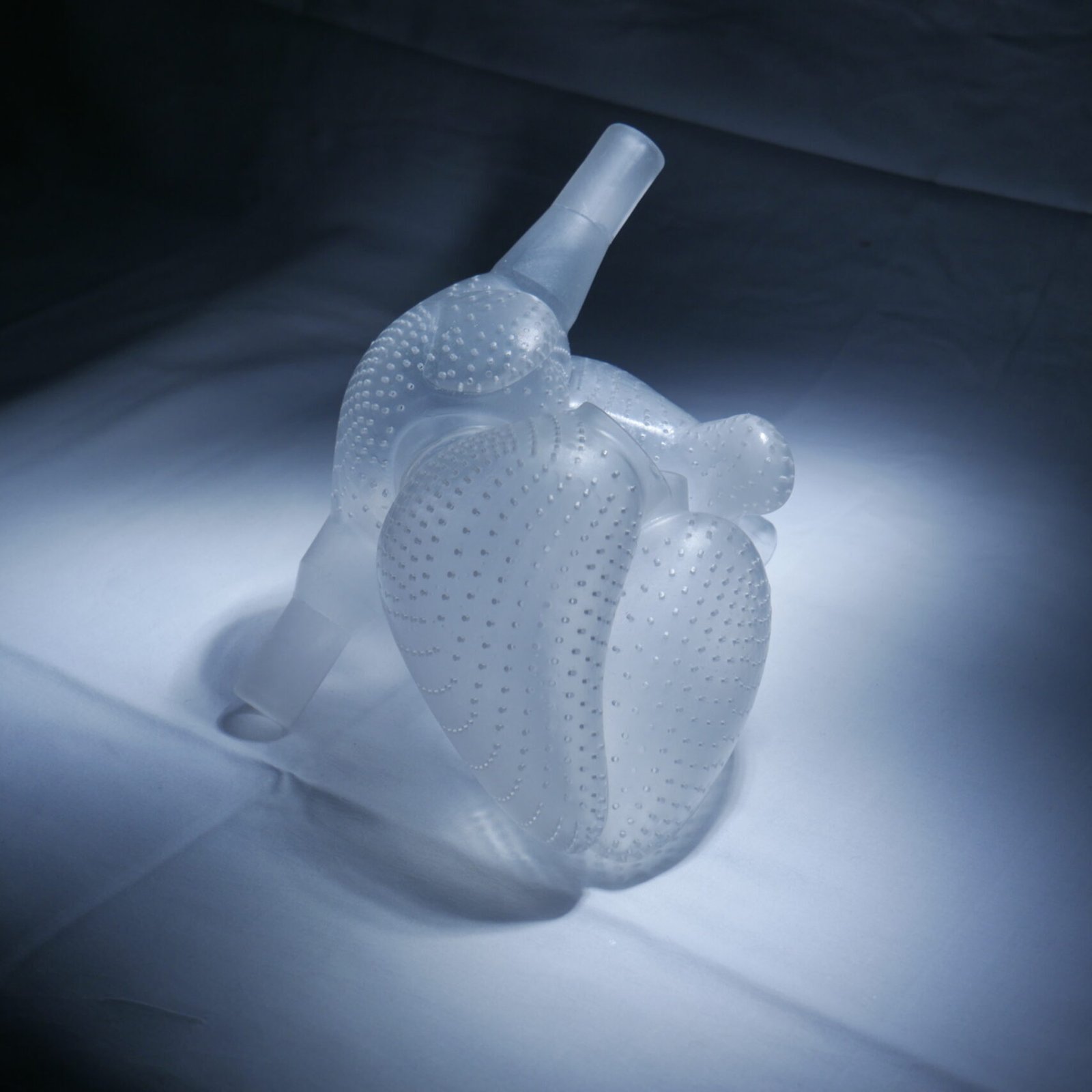
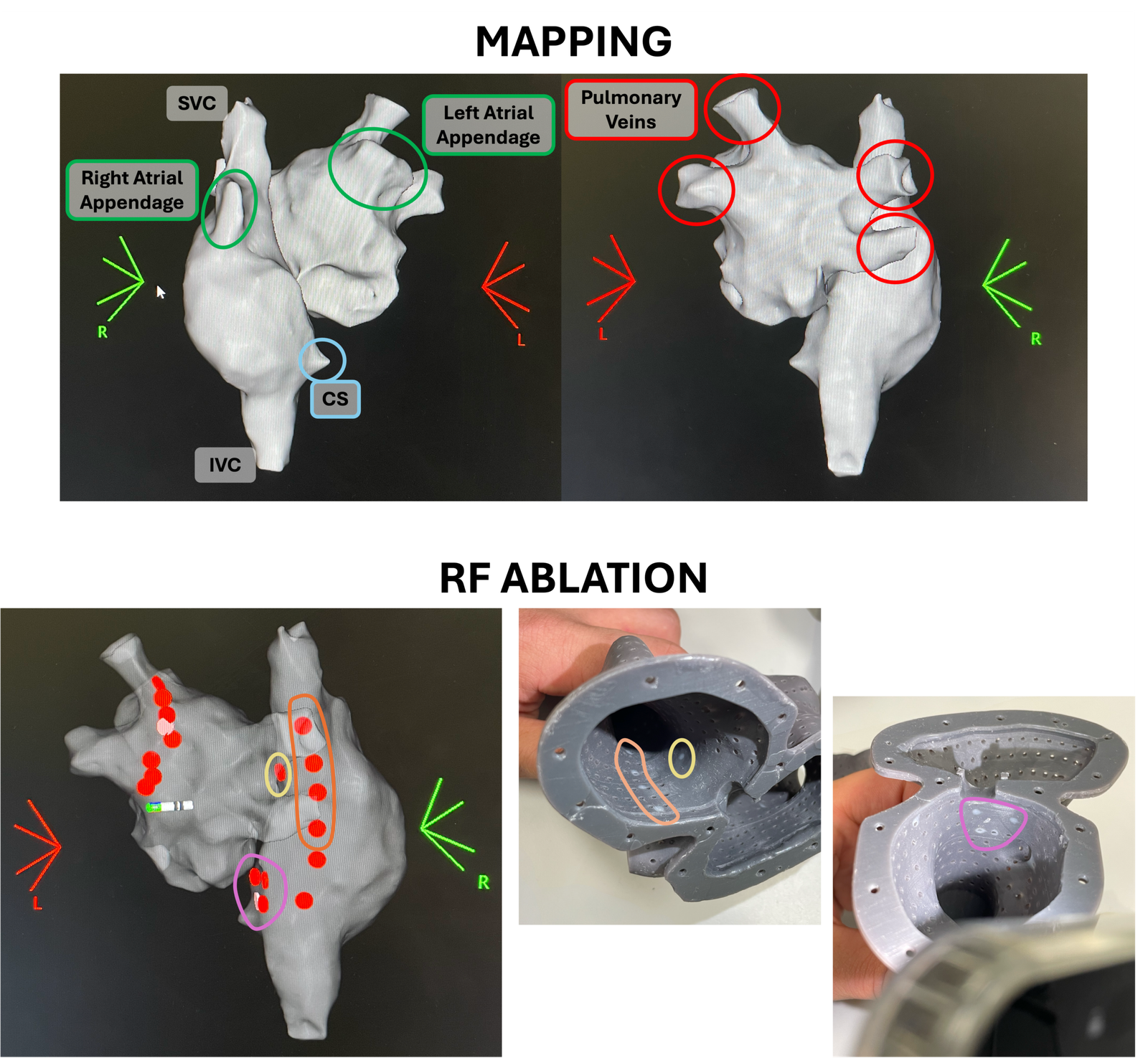
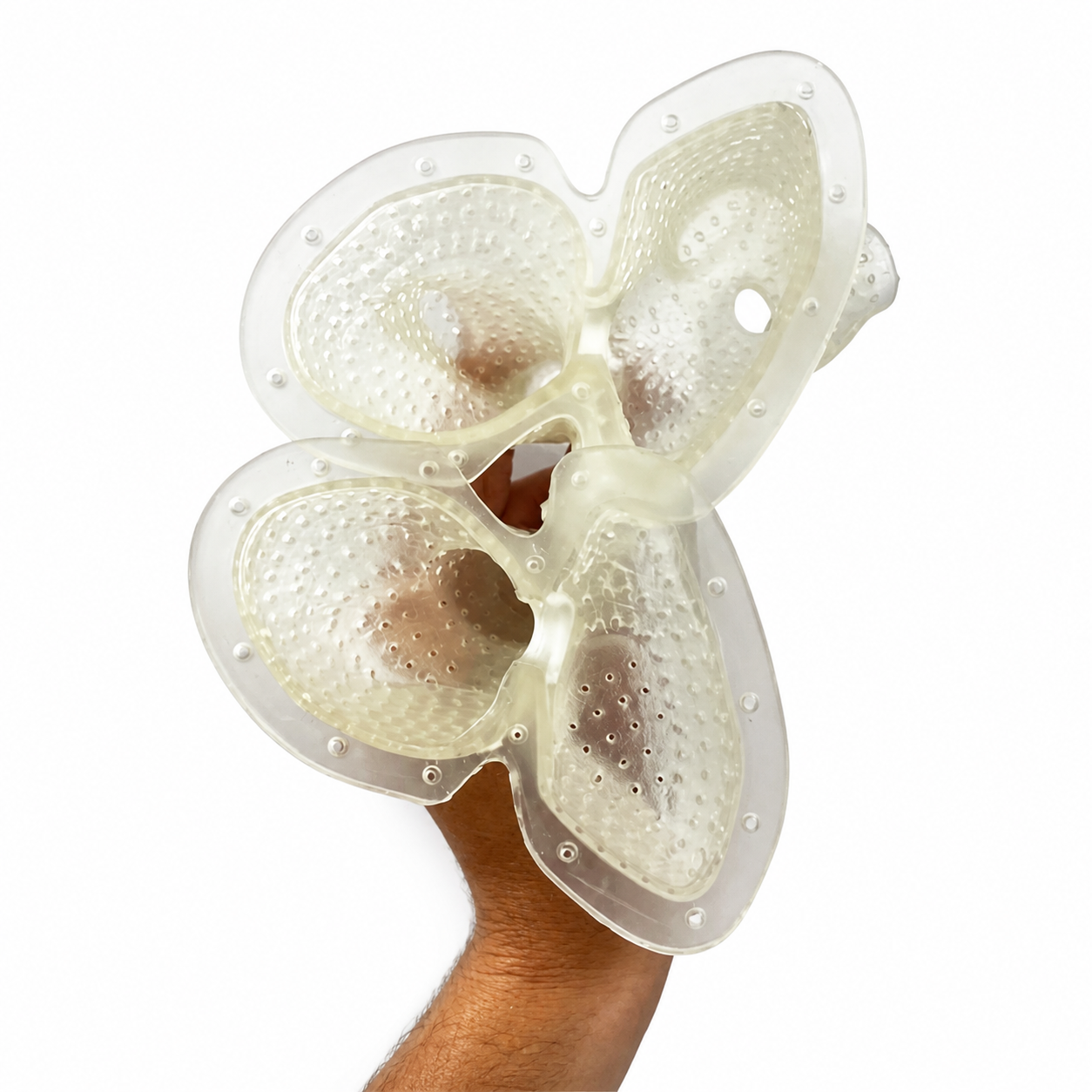
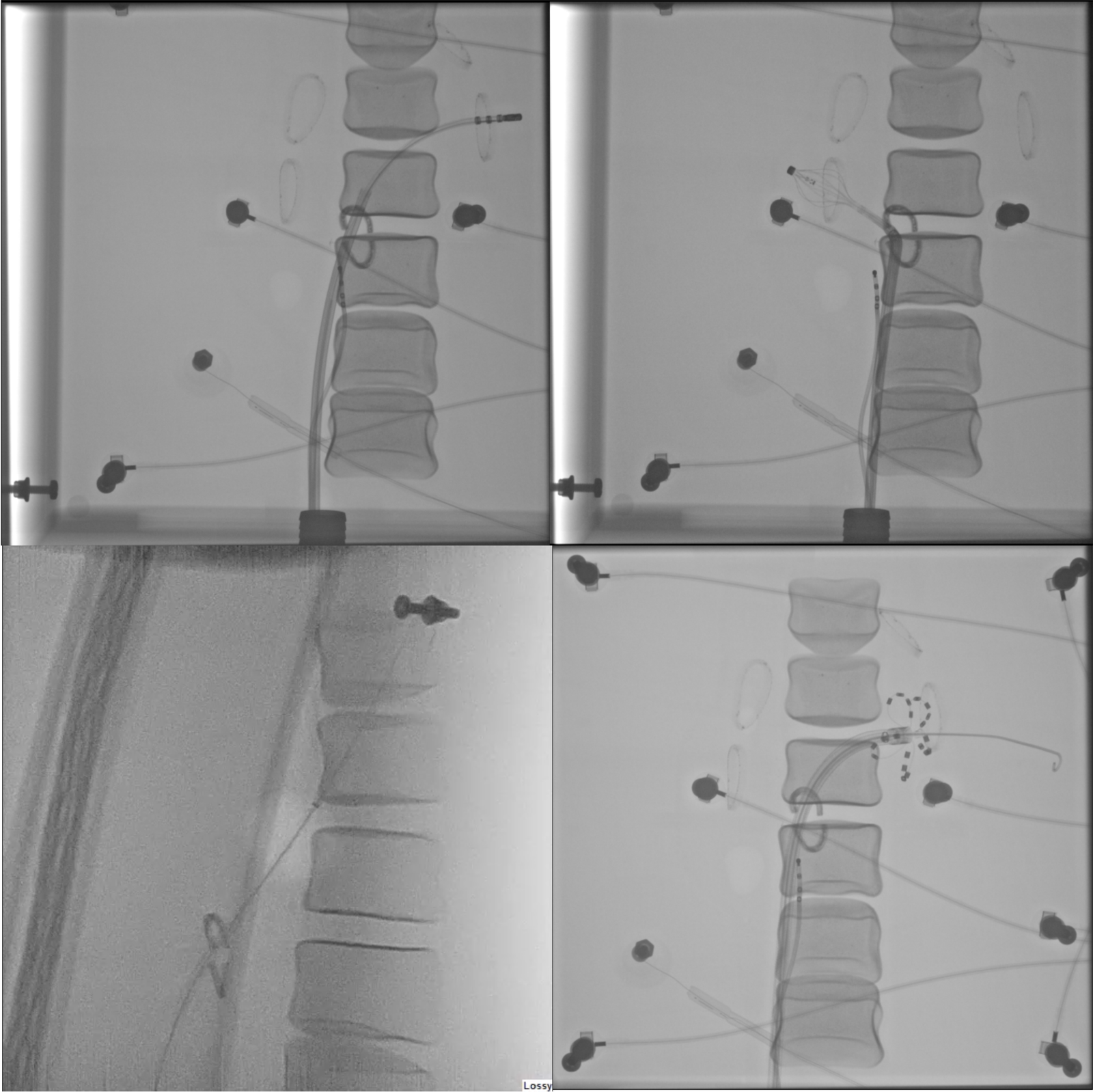
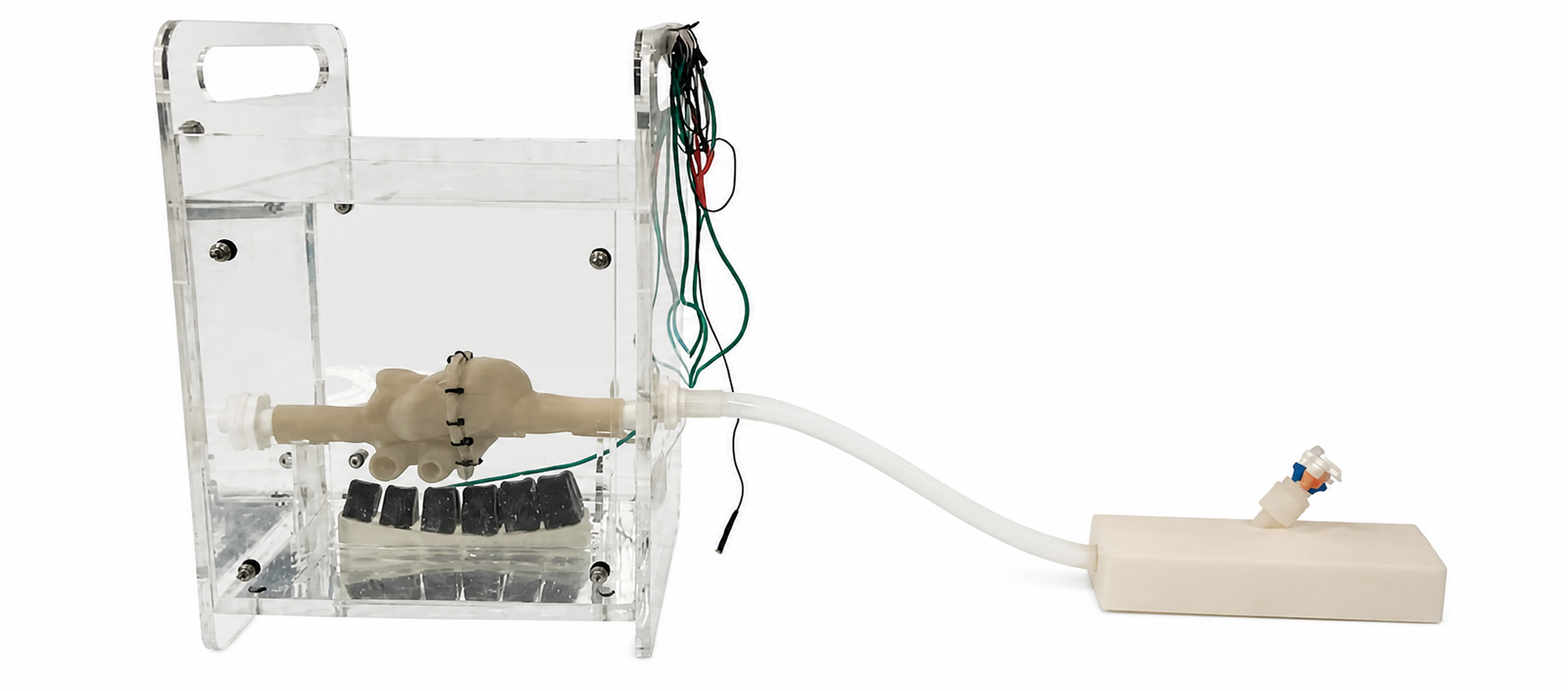
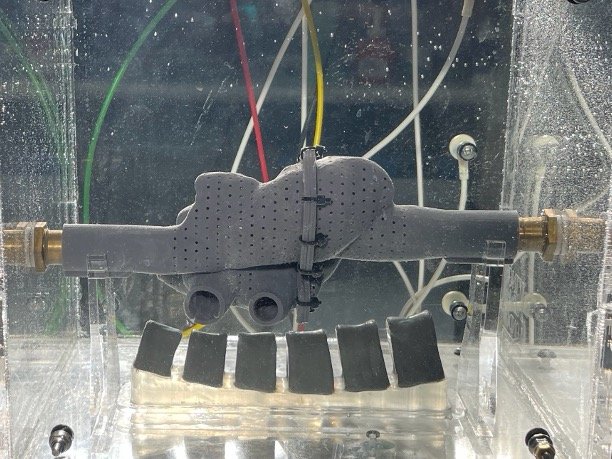
The Cardiac Electrophysiology (EP) Simulator is a modular heart and vascular training platform designed for repeated catheter-based training, device testing and experimentation for cardiac ablation procedures. The heart phantom is housed in an acrylic water tank, equipped with 13 electrodes dedicated to connecting to all electroanatomical mapping systems. Phantoms can be either translucent for greater visibility or thermochromic to mark thermal ablation lesions both via freezing or heating. Vessel ports allow connection to off-the-shelf pumps and flow systems when required. Modular catheter-entry blocks reproduce the curvature of leg, arm and neck access routes and incorporate replaceable valves for repeated catheter and sheath insertion using the Seldinger technique. The radiographic realism can be achieved using 3D radiographic spine or x-ray test plates placed under the tank. The system can also be fitted with additional radiographic markers to further enrich the radiographic scene. The system can be assembled, disassembled and maintained with ease, with replaceable components.
| WHAT CAN BE PRACTISED
• Cardiac ablation • Catheter navigation • Electroanatomical mapping |
TRAINING SETTINGS
• Catheterisation laboratory • Classroom with EP equipment • Office with EP equipment |
EDUCATIONAL VALUE
• Compatible with all commercial mapping systems • Reusable for over 500 hours. • Transparency/colour change aids inexperienced users. • Replaceable parts minimise teaching/maintenance costs. |
| TECHNICAL SPECIFICATIONS
Colour: Ablation-sensitive, translucent. Material: Acrylic rubber. Imaging compatibility: Electroanatomical mapping and x-ray. Flow: Compatible with pumps; pump not included. Radiographic features: Spine, x-ray test plates, additional radiographic markers. |
INTENDED TRAINING APPLICATION
• Pulsed-field ablation (PFA) • Radiofrequency ablation • Cryoablation • Cardiovascular interventional techniques • Seldinger access technique • Device testing and procedural rehearsal |
USAGE AND LIFESPAN
| 500+ HOURS
REUSABLE TRAINING Designed for repeated teaching, training and experimentation. |
LOW MAINTENECE
REPLACEABLE PARTS All parts including the heart valves and access components can be serviced or replaced. |
REAL ABLATION SUITABLE TO SUSTAIN LESIONS Unlike other hydrogel or rubber models, our system can support all types of ablation for repeated use with no damage to the model or the equipment. |
CLINICALLY VALIDATED
The peer-reviewed evaluation methodology published in Applied Sciences, using a 24-question, 5-point Likert survey, was used to compare our latest EP simulator with a competing commercial simulator in a cohort of 10 cardiologists with varying levels of expertise. The simulators were evaluated across four areas: catheter entry, phantom geometry, x-ray visibility, and mapping and ablation. Our simulator significantly outperformed the competing model in x-ray visibility and mapping & ablation, while achieving comparable performance in catheter entry and phantom geometry. Overall, the results demonstrated a significantly higher total evaluation score for the Peach Simulators EP platform.
| SCORE: 4.12 vs 1.55
X-RAY VISIBILITY Mean ± SD: 4.12 ± 0.89 vs 1.55 ± 1.22; p < 0.0001. |
SCORE: 4.27 vs 3.25
MAPPING & ABLATION Mean ± SD: 4.27 ± 0.77 vs 3.25 ± 1.54; p = 0.0001. |
SCORE: 4.29 vs 3.00 OVERALL SCORE Mean ± SD: 4.29 ± 0.77 vs 3.00 ± 1.64; p < 0.0001. |
Manuals and Technical Sheets:
Technical Sheet – Click here to download the Technical Sheet